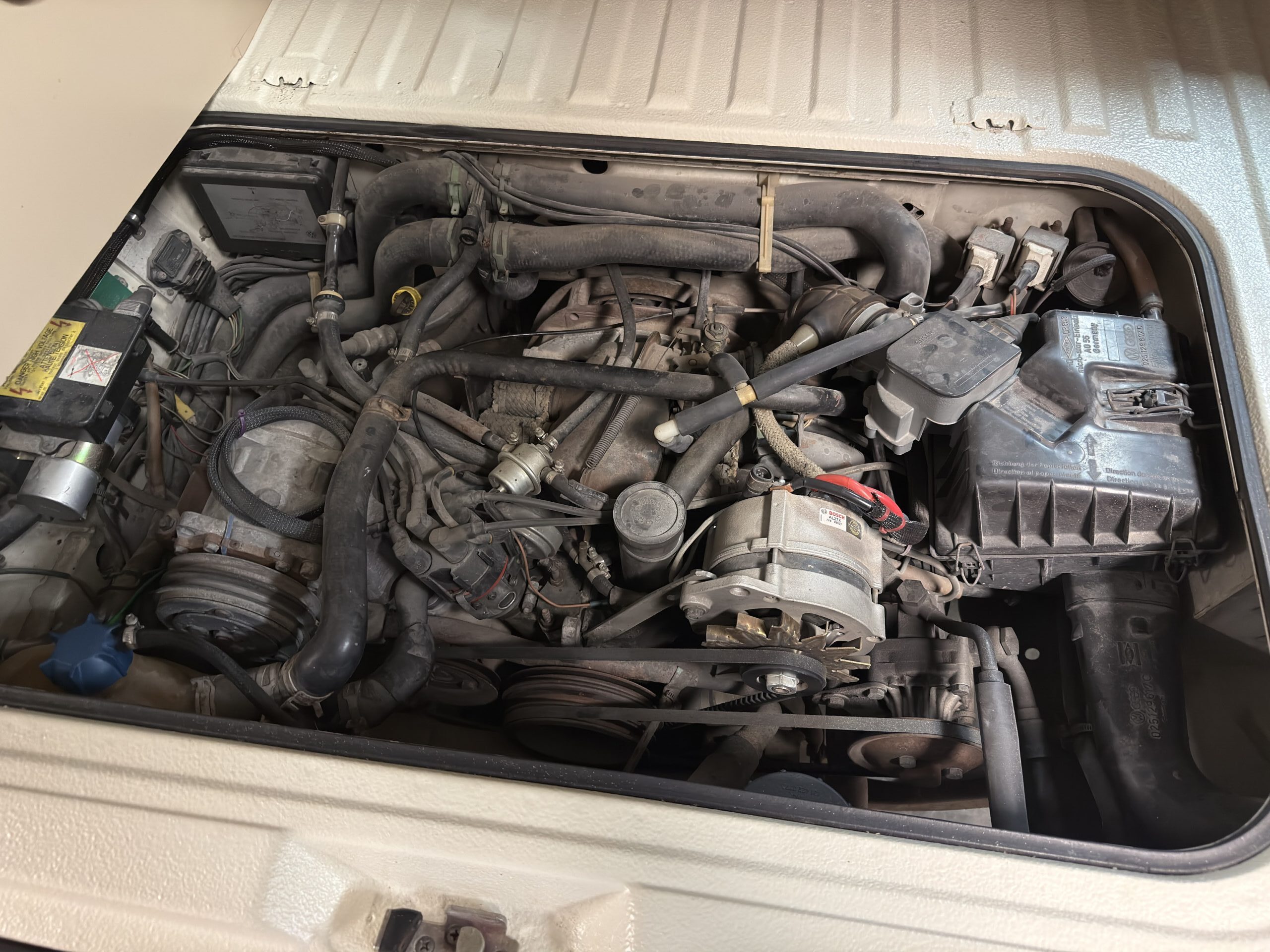
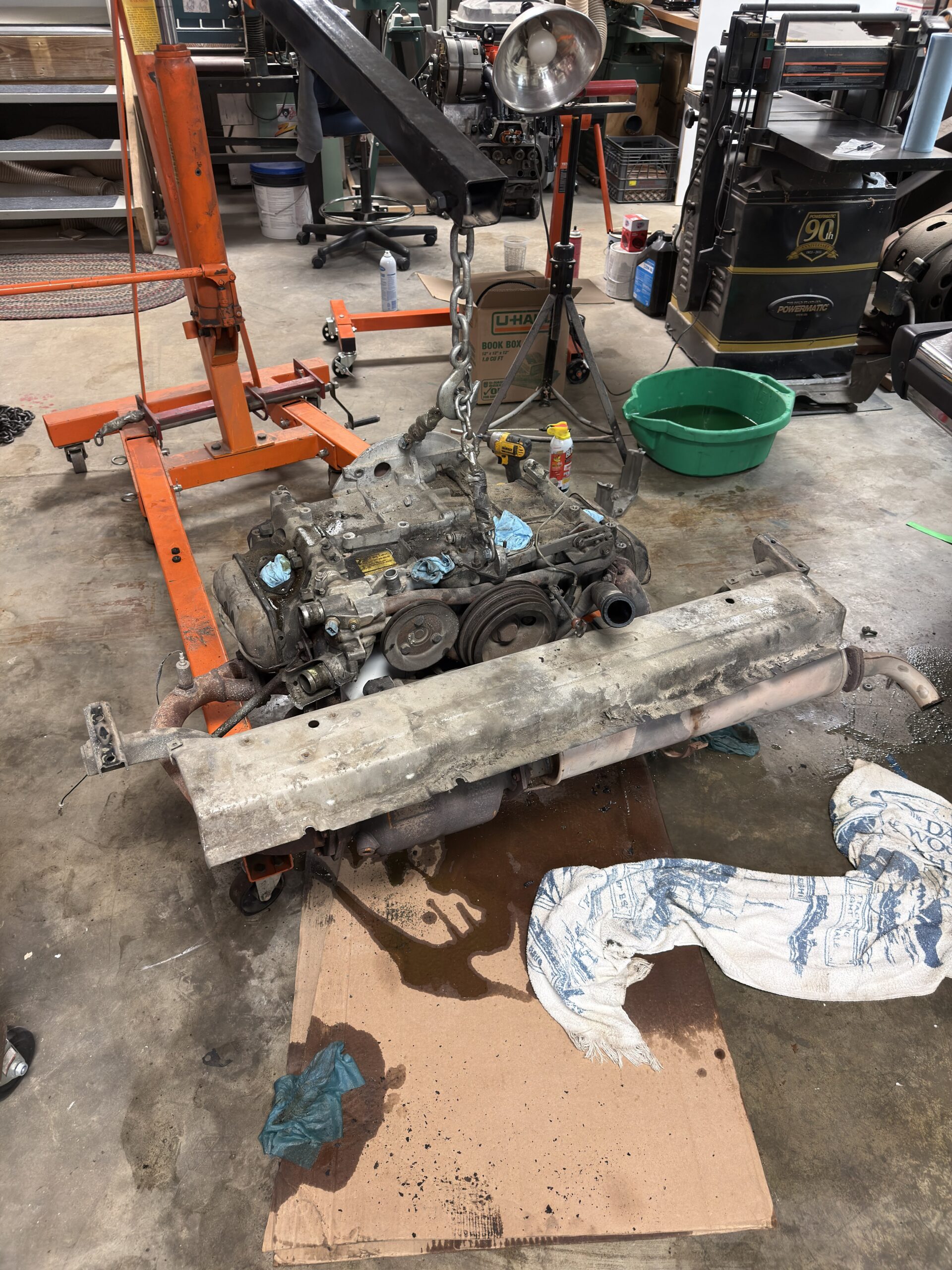
My Volkswagen Vanagon Westfalia has always been a great platform for adventure, but like many older vans, time had started to catch up with it. The original 1.9L waterboxer had somewhere between 160,000 and 180,000 miles on it, and it showed. It struggled with reliability, burned a noticeable amount of oil, and had a tendency to stall at the worst times. It was clear the van needed a new heart.
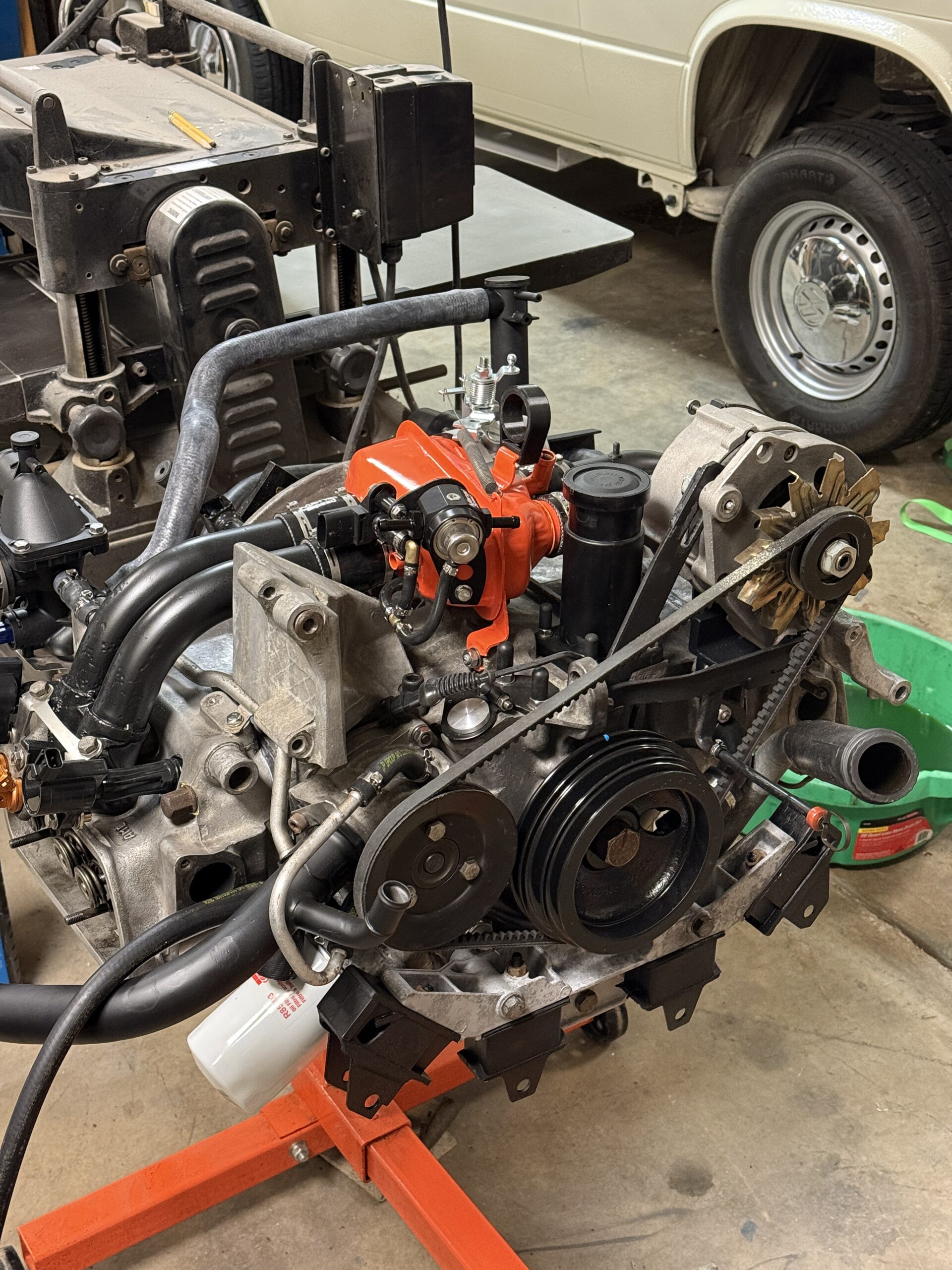
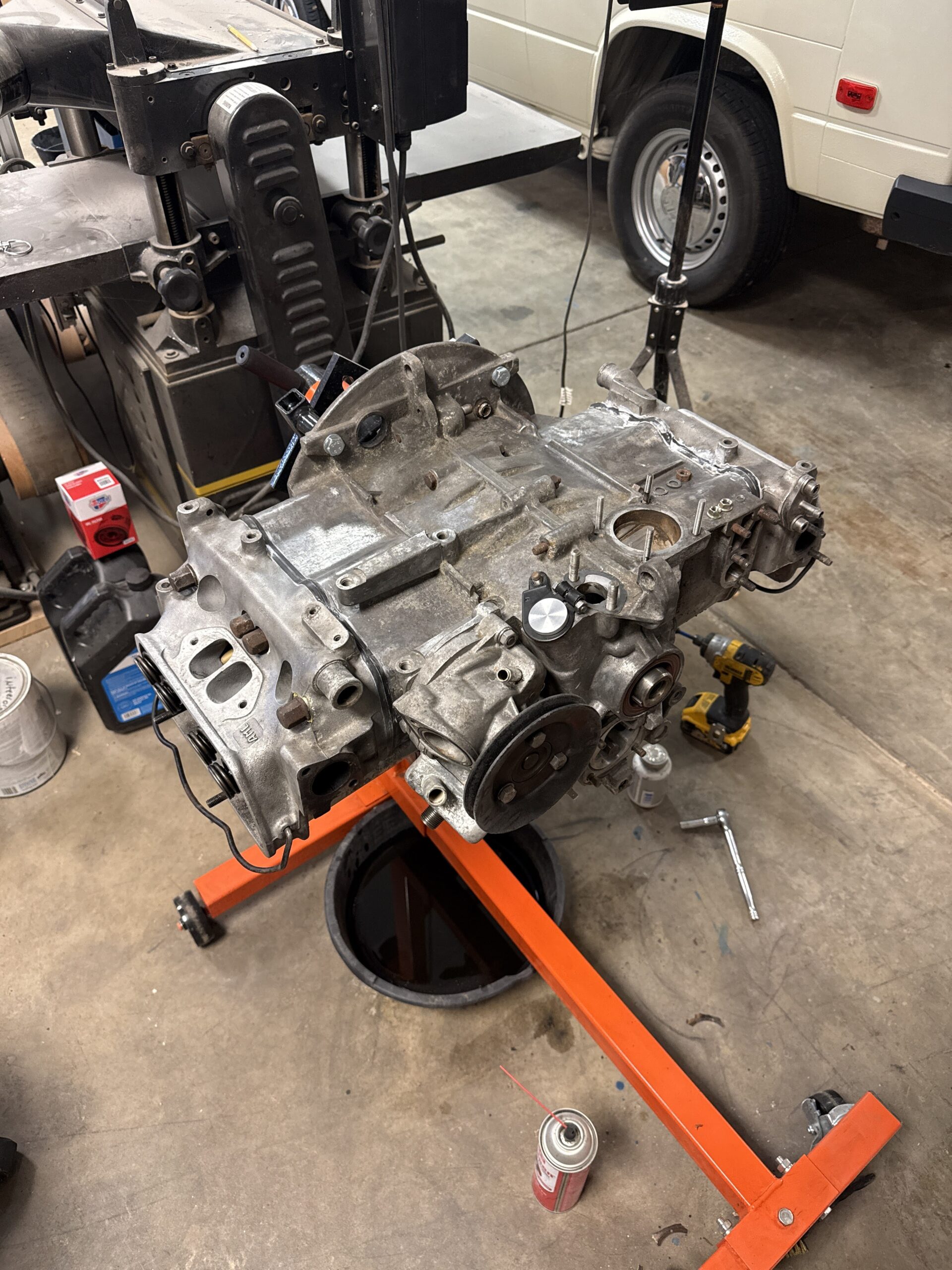
The goal of the swap was simple: improve reliability and gain some much-needed power. I replaced the original engine with a 2.1L waterboxer that had about 76,000 miles on it and had been partially rebuilt with new piston rings and head gaskets. To modernize the system further, I paired it with a MansiSpeed EFI Kit, bringing more precise fuel control and improved drivability.
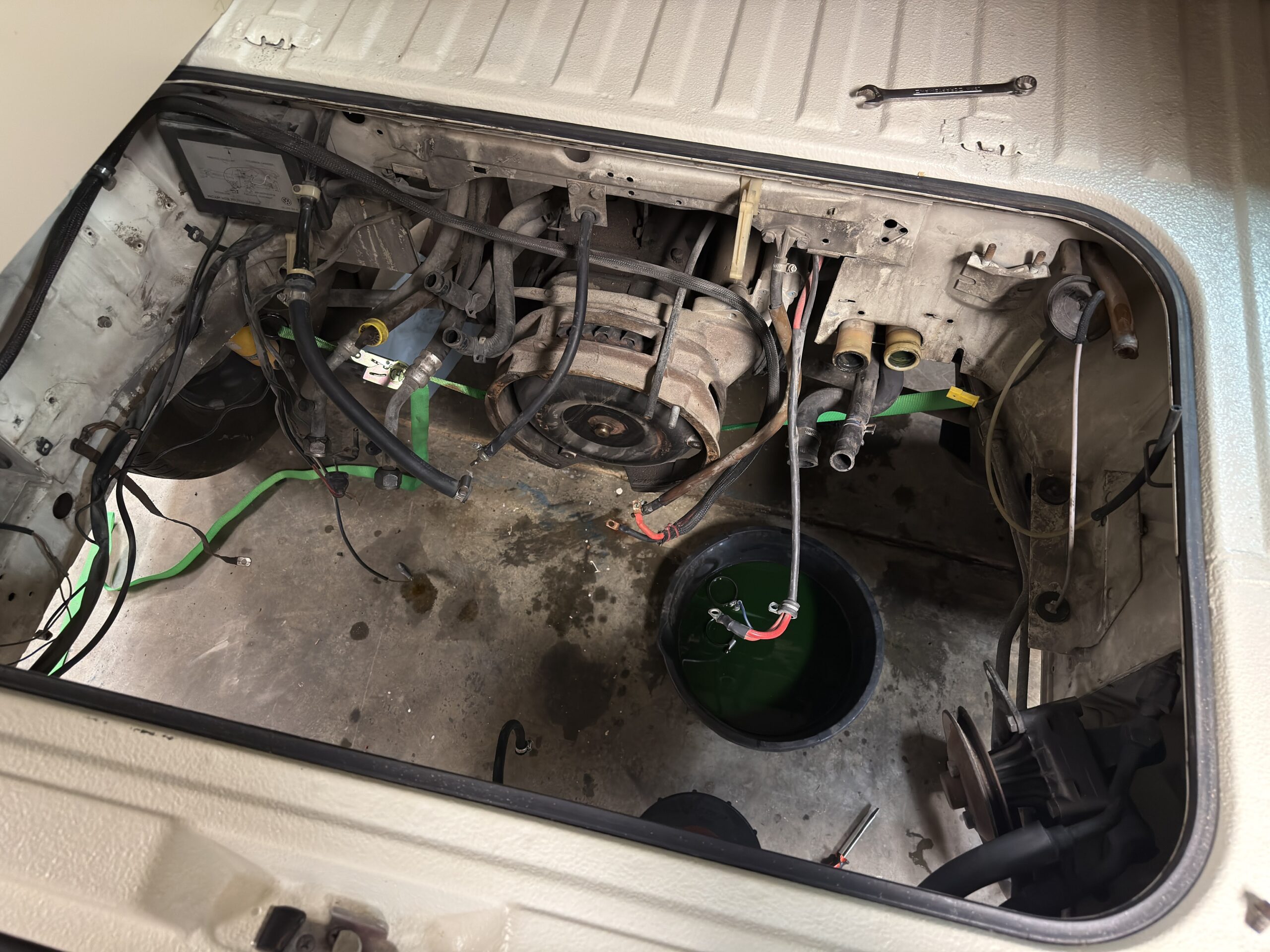
While the physical installation itself was relatively straightforward, the project stretched over about two months. A big part of that timeline came from taking the opportunity to do things right-cleaning and refreshing components, and completely reworking the cooling system. Like many older vehicles, years of wear and buildup meant that simply swapping the engine wasn’t enough; supporting systems needed just as much attention to ensure long-term reliability.
The results have been well worth the effort. The van now starts consistently every time, a huge improvement over the old setup. The increase in power is immediately noticeable, making the van feel more capable and confident on the road. Just as importantly, the excessive oil consumption and stalling issues are gone, transforming the driving experience from something unpredictable into something dependable.
This project was a great example of how thoughtful upgrades can breathe new life into an older vehicle. By combining a refreshed 2.1L engine with modern EFI, the van maintains its classic character while gaining the reliability and performance needed for future trips.
Leave a Reply